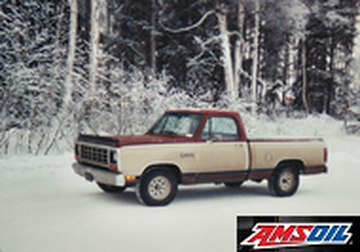
Lubrication Maintenance for the 1982 Dodge Trucks D150 5.9L
Maintaining a vehicle of this era requires a proactive approach to fluid management and mechanical inspection. For owners of the 1982 Dodge Trucks D150 equipped with the 5.9L engine, consistent attention to lubrication systems is a fundamental aspect of long-term ownership. Because older engines often operate under different thermal and mechanical stresses than modern counterparts, understanding how to monitor and maintain your lubricant is essential for preserving engine health.
Monitoring Fluid Integrity and Consumption
One of the most effective ways to gauge the condition of an engine is through regular observation of its fluids. For a 1982 Dodge Trucks D150, this involves more than just checking levels; it requires looking for changes in the physical properties of the oil. If you notice the lubricant appearing significantly darker or thicker than usual between service intervals, it may indicate that the oil is working hard to manage contaminants or heat.
It is also important to monitor for any signs of unusual consumption. While some level of fluid loss can occur as engines age, a sudden increase in the frequency of top-offs warrants investigation. If you observe any evidence of fluid seepage around the engine block or under the vehicle, these should be addressed promptly. Such observations do not necessarily point to a single specific component failure, but they serve as important indicators that seals or gaskets may be losing their effectiveness due to age or heat cycles.
When inspecting for leaks, look for wetness around various sealing surfaces. Identifying these areas early can help prevent more significant issues later. Always remember that symptoms like a change in oil appearance or unexpected fluid loss can have multiple underlying causes, and a professional inspection is often necessary to determine the exact source of a leak.
Prioritizing Maintenance Based on Current Condition
As vehicles age, the strategy for maintenance should shift from strictly following a calendar to focusing on the actual condition of the mechanical components. For an owner of a 1982 Dodge Trucks D150, this means using the current state of the vehicle to dictate service priorities. If you are stepping into ownership of this truck without a complete service history, your first goal should be to establish a maintenance baseline.
Establishing this baseline involves:
- Reviewing any available repair receipts or service logs to understand what has been addressed in the past.
- Performing a thorough visual inspection of all accessible engine components, including hoses and belts, if equipped.
- Checking the condition of electrical connections and wiring for signs of brittleness or corrosion.
- Monitoring how the engine responds to different operating conditions.
Rather than replacing parts simply because they are decades old, focus on addressing active concerns first. This includes attending to any visible leaks, responding to unusual noises, or correcting overdue maintenance tasks. By distinguishing between necessary repairs and unnecessary parts replacement, you can manage the upkeep of a 5.9L engine more effectively and efficiently.
Observing Potential Operational Warning Signs
Being attentive to how the vehicle behaves during operation can provide early warnings regarding the lubrication system or general engine health. For example, if you notice unusual mechanical noises that coincide with changes in oil temperature or engine load, this warrants a closer look. Similarly, any changes in exhaust characteristics—such as smoke that appears differently than it did previously—should be investigated.
If your vehicle is equipped with warning lights or indicators on the dashboard, these should never be ignored. An indicator light related to oil levels or pressure requires immediate attention to prevent potential damage. It is also useful to note if any changes in performance occur shortly after a service interval has been performed; sometimes, an incorrect component or an error during a routine procedure can manifest as a change in how the engine runs.
It is vital to approach these signs with caution. A single symptom, such as a burning odor, might indicate oil contacting a hot surface rather than an internal engine issue. Therefore, use these observations as prompts for further inspection rather than as definitive diagnoses of a specific part failure.
Managing Aging Components and Seals
The materials used in 1982, including various rubber-based seals and gaskets, are subject to the effects of time and thermal cycling. Over many years, these components can lose their elasticity or become brittle. When performing routine maintenance on a D150, it is wise to inspect accessible hoses and belts for signs of deterioration such as cracking, glazing, or fraying.
If your engine utilizes various belts to drive accessories, check them regularly for any signs of wear. Similarly, inspecting the condition of cooling system hoses can prevent unexpected failures that might lead to overheating. While these inspections are routine, they are critical for preventing secondary issues that could impact the lubrication system or overall engine stability.
When dealing with aging engines, some owners consider using high-mileage oil formulations. These products often contain specific additives intended for use in older engines, including seal-conditioning agents that may help maintain the integrity of aging gaskets and seals. However, these should be viewed as a maintenance aid rather than a definitive repair for significant leaks.
Effective Record Keeping for Long-Term Ownership
For anyone dedicated to the long-term care of a 1982 Dodge Trucks D150, maintaining a detailed service history is one of the most valuable tools available. A well-kept logbook allows you to track not just when oil was changed, but also which specific products were used and what observations were made during inspections.
Keeping records helps in several ways:
- It assists in identifying patterns, such as how quickly a certain lubricant is consumed.
- It provides a clear history for future maintenance, ensuring that you do not repeat unnecessary services.
- It can increase the documented value of the vehicle by proving consistent and attentive care.
Documenting even small observations—such as "noted slight seepage near the front seal" or "replaced air filter"—creates a roadmap for future repairs. This level of detail makes it much easier to distinguish between a new problem and a long-standing, stable condition.
Practical Guidance for Buying Engine Oil for your 1982 Dodge Trucks D150 5.9L
When you are ready to replenish the lubrication in your engine, the most important step is to ensure the product matches the specific requirements of your application. Do not rely on general assumptions about what an older truck might need; instead, match the engine oil to the application-specific viscosity information already displayed on this webpage.
Before making a purchase, carefully check the product labeling to verify that the oil meets the appropriate quality standards and certifications for your needs. You may choose between conventional, synthetic blend, or full synthetic formulations depending on your specific maintenance goals and the current condition of your engine. If you are managing an engine with higher mileage, you might also look into high-mileage formulations that include seal-conditioning additives. Always prioritize the viscosity and service specifications provided in the application data above to ensure the best possible protection for your 5.9L engine.